
Chronic pelvic pain affects many people across Canada. Approximately 15 per cent of individuals of reproductive age experience ongoing pelvic pain that can interfere with daily life. One common cause is endometriosis, a chronic condition in which tissue similar to the lining of the uterus grows outside the uterus.
While medications or surgery may help manage endometriosis, some individuals continue to experience persistent pelvic pain. This pain can affect day-to-day function, mood, sleep, and sexual well-being, making treatment more complex.
The Endometriosis and Chronic Pelvic Pain (E & CPP) Clinic was created to support people living with persistent pelvic pain, often related to endometriosis, through a coordinated, interdisciplinary approach to care.
Accessing the Clinic
Patients can access the E & CPP Clinic through a referral from a healthcare provider, such as a family physician, nurse practitioner, or gynecologist. A referral form must be submitted before an initial appointment can be scheduled.
Referrals are accepted for individuals who:
- Have had a gynecological evaluation within the past five years
- Experience persistent pelvic pain most days for six months or more
- Have not improved with first- or second-line treatments for endometriosis or chronic pelvic pain
Individuals who do not currently have a primary care provider may need to connect with Nova Scotia’s Need a Family Practice Registry or use virtual care services in order to obtain the required referral.
What Happens During a Visit
Once referred, patients complete a detailed online health questionnaire to help the care team understand their symptoms, history, and goals before the first appointment.
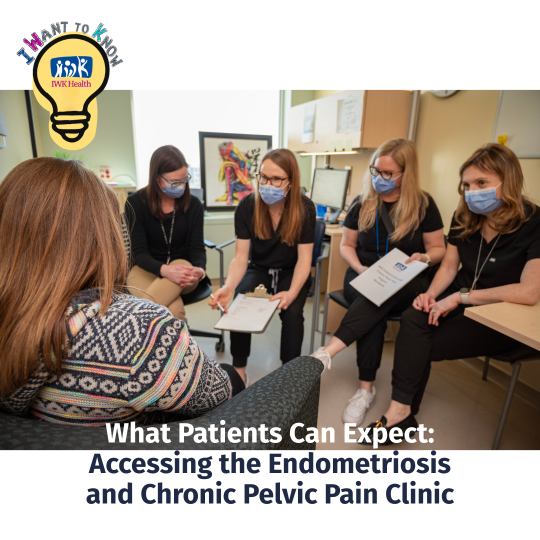
The initial visit is a team-based consultation involving the clinic’s interdisciplinary providers. This includes a gynecologist, nurse, physiotherapist, social worker, and pain specialist. Meeting with the entire team together allows providers to hear the patient’s history firsthand and collaborate in real time to create a coordinated, personalized care plan.
Patients also receive a workbook to support learning about pelvic pain and to help track symptoms and progress.
Ongoing Care and Goals
Follow-up care is tailored to each patient’s needs and may involve physiotherapy, mental health support, nutrition guidance, nurse practitioner visits, or other specialized services.
The program’s goals are to help patients:
- Better understand and manage pelvic pain
- Improve daily function, including physical activity, sleep, mood, and relationships
- Access coordinated, evidence-informed treatment
- Develop personalized strategies for long-term well-being
Although endometriosis is a chronic condition without a single cure, many people experience meaningful relief and improved quality of life through coordinated care.
If you would like to learn more about the E&CPP Program, please visit Endometriosis and Chronic Pelvic Pain Program | IWK Health | Pain Management in Nova Scotia
March is Endometriosis Awareness Month.